Equovento

Rome is the capital of one of the biggest (both in size and political power) countries in Europe. Thus, it makes sense for it to hold many events and draw in tourists for destination weddings, corporate events, etc. When in the neighborhood of Trastevere, it was common for me to see wedding pictures being taken and large community events that draw a ton of people. However, with any large event, people have to be fed. It is very typical to have an excess of leftovers from these situations, and catering companies often just throw it away. This surely seems like a waste to me, so I thought to myself: how is Rome combating this large issue surrounding food waste? With some research, I was able to find the answer: Equoevento!
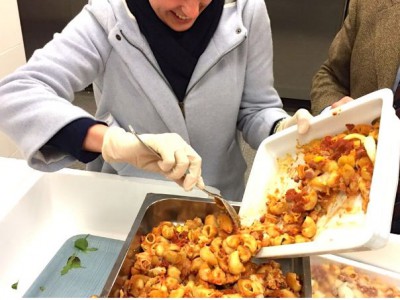
Equoevento is a non profit based in Rome that originated in 2014. It was started by 4 entrepreneurs who noticed this excessive food waste in the city and decided to make a difference. The organization donates food to “charities, shelters and the needy”, and they use outside donations to help fund their work. However, what makes them stand out is where they get their food from; they take excess food from weddings, galas and other events! This is such an effective tactic, because they’re preventing perfectly fine food from going to waste and giving it to people who actually need it. Due to the Eurozone crisis in the late 2000s and a rising unemployment rate in Italy, Rome has a homeless population of over 6000. That’s a lot of people who don’t know where their next meal is coming from! Thus, the work that Equoevento does is essential to the city.
Equoevento has been recognized by several Italian news outlets and is patterned with other organizations that support their cause. They currently are running several campaigns, which includes raising funds for a refrigerated van, new food containers, and organizing food events for those in need. With hundreds of events happening in Rome every single day, it is important that this amazing organization gets all of the support that they can! So when you visit Rome, be on the lookout for Equoevento and volunteer if you have the chance. Four our readers who aren’t going to Rome anytime soon, please consider donating to one of the aforementioned campaigns here. We all can do our part in promoting a healthier leftover culture both in Rome and at home!💙 – Jamal
Fare la Scarpetta
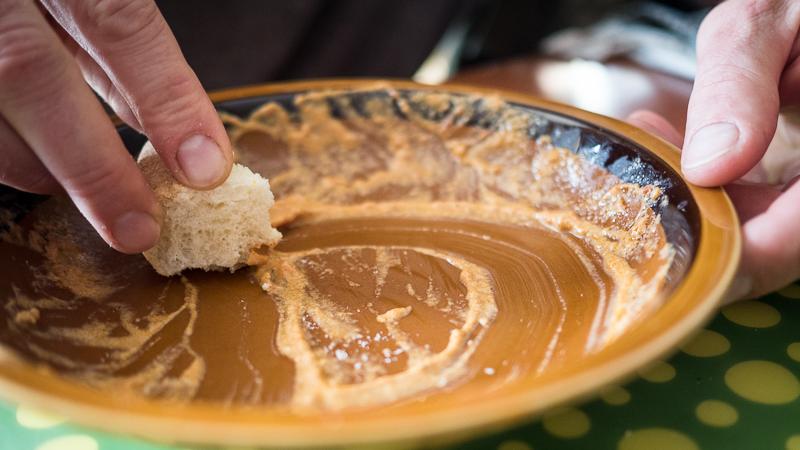
Directly translated fare la scarpetta means to “make the little shoe.” It is a term that refers to the action of using bread to clean anything left on one’s plate and is an integral part of Italian food culture. The phrase compares the action to a sole of a shoe, being submerged into the ground and scooping up the contents, though some say it may have to do with saying that they are so hungry that they could eat a shoe. There are multiple speculations on roots of this practice, one referring to it as a practice of cucina povera, or poor cuisine. Families who had little to eat couldn’t afford to waste any food, including their leftover sauce. Nowadays, it is simply an enjoyable way to finish off a meal and even serves as a compliment to the chef.

This is a habit I was familiar with growing up and continue to do to this day when I have pasta, though I never knew that it was a practice rooted in Italian culture. I like saucy pasta, so there’s always plenty left on my plate to scoop up with some garlic bread. However, according to Roman culture, pasta should not be too saucy, rather it should just coat the noodles enough, so scarpetta-ing was not the experience I was used to. I still did it every time I got pasta. One time, the waiter even recognized my action while he was walking by and complimented my familiarity with Italian culture, which was a good feeling. -Anna
A Different Approach to Leftovers

Italians are reluctant to embrace the ‘doggie bag’ or ‘to-go box’ because the idea of the freshest food and ingredients is ingrained in the culture, and eating leftover food fundamentally opposes that ideal. For instance, if a Roman style pizza is intended to be served fresh, why would you receive a doggie bag to eat the leftovers two days later? Italians take great pride in their food; the quality of the ingredients and the simplicity of the recipes is leaps and bounds above that found at home, where a recipe can have a laundry list of mystery, unpronounceable ingredients. This is at least my working theory for why doggie bags are nowhere to be found in Italy. The notion of leftover food (that isn’t intentionally being repurposed into a new product) is directly counterintuitive to Italian cooking procedure. Fresh will always be best to an Italian.
However, Italians do sustainably use their leftovers by repurposing the food into different dishes. Recipes like the pasta frittata (that can be found on the recipe tab of our site) can transform leftover dishes into a new meal. These recipes are how Italian restaurants hide their leftover risotto from the day before or how an Italian grandmother can finish off that leftover batch of fresh fettuccine that was fresh yesterday. The doggie bag serves little purpose in Italian society because anything worth saving never leaves the kitchen; it gets stored and repurposed later. When your plate of pasta doesn’t come with a to-go box, don’t worry. The rest of the leftover in the pasta in the kitchen will surely get used in tomorrow’s breakfast! -Evan
 Leftover Squad