Three University of Maryland students embarked on a journey to Rome during the summer of 2019 with one shared quest: to discover how effectively food waste is navigated in this unfamiliar culture and how sustainable the Roman outlook truly is. To young American college students, their habits appeared to be extremely wasteful at first glance. However, after three weeks of living in Rome, we each found the city to be more sustainable than we had previously thought.
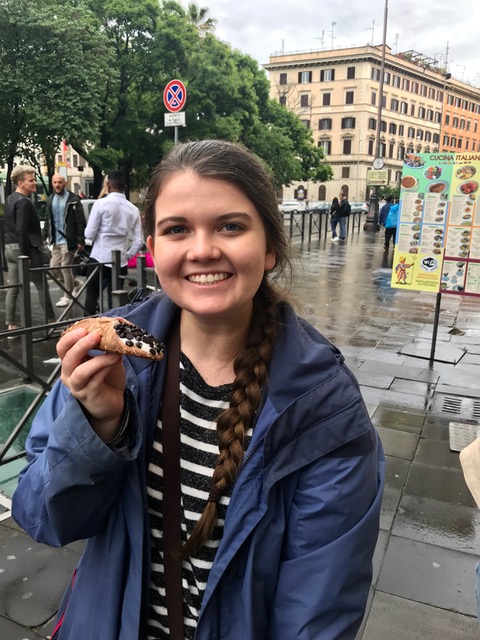
Hi! My name is Anna and I study sociology and women’s studies at UMD. While abroad, it was important to me to investigate various inequalities in other cultures. By looking at food waste, it is possible to see how access to food differs between groups of people, as well as how important a society feels it is to prevent and address this. The Italian food culture first seemed to be so focused on fresh food that what was not immediately eaten was wasted. Meanwhile, instead of actually wasting it, we learned that they have managed to accommodate to their preferences and reuse their leftovers rather than waste them.

Hey, my name is Evan and I’m a sophomore at UMD. What struck me as surprising about Italian food sustainability was the lack of to-go boxes for leftover food from restaurants. As a college student, it pains me to see leftover food (and money) get wasted. However, I learned that there are dishes ingrained in the Italian culture that are designed specifically to utilize leftover ingredients, like supplì. Now they’re my favorite foods in Italy!
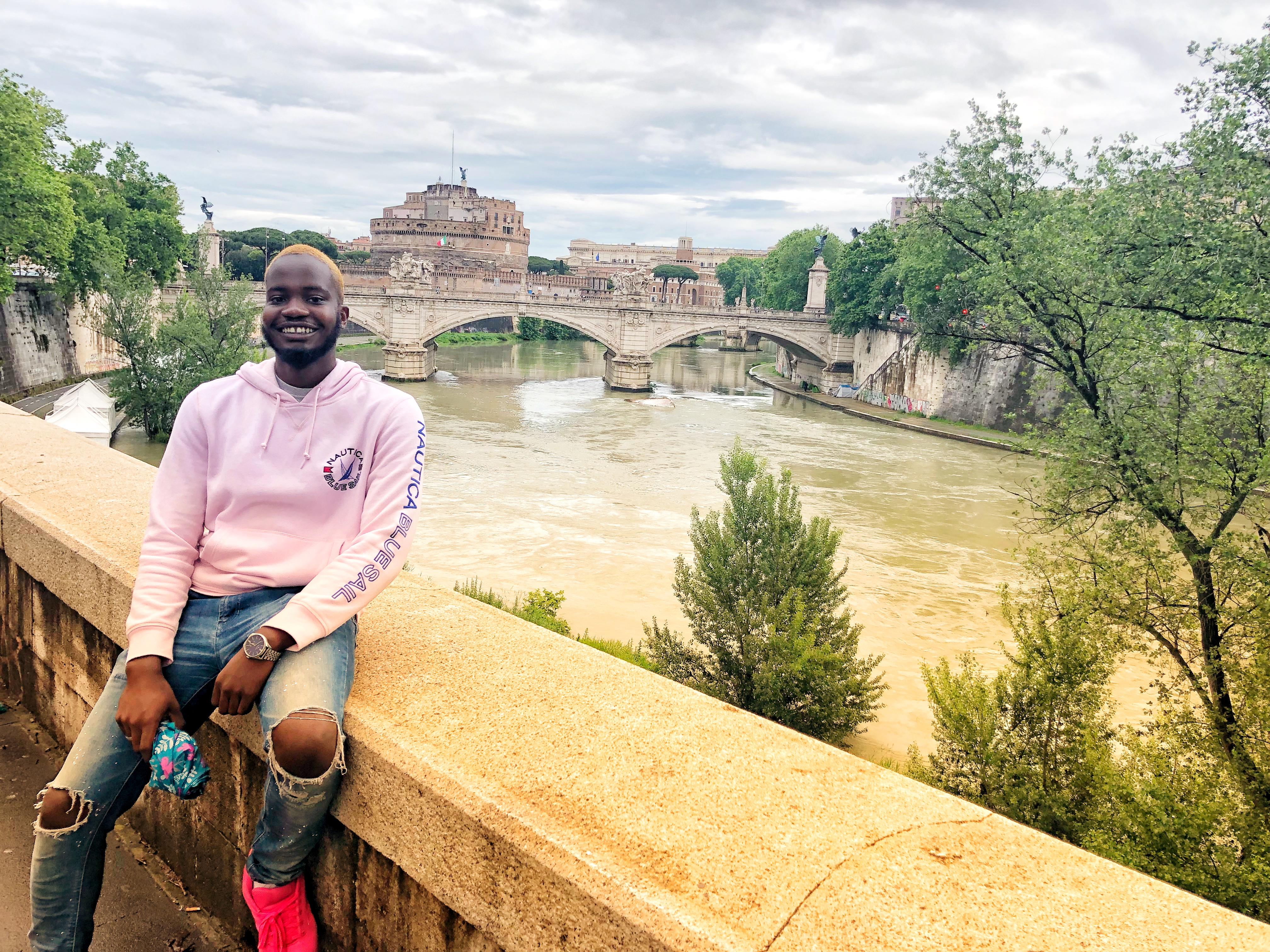
Hey everyone! My name’s Jamal and I’m a junior Statistics major at UMD. Upon arriving in Italy, I was definitely surprised with the heavy use of plastic I saw. This observation particularly pertained to water bottles, as it was very rare for me to see Romans with refillable, reusable water bottles. One restaurant I frequented during my stay even brought out a large, plastic water bottle for the table! However, I soon realized that Rome is very up-to-date on trash separation and recycling. This eased my initial concerns, and sparked in interest in learning more about their trash system.
 Leftover Squad